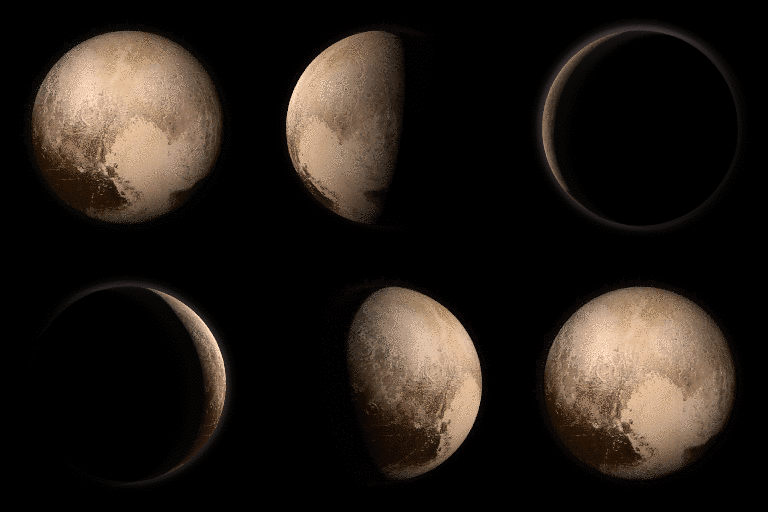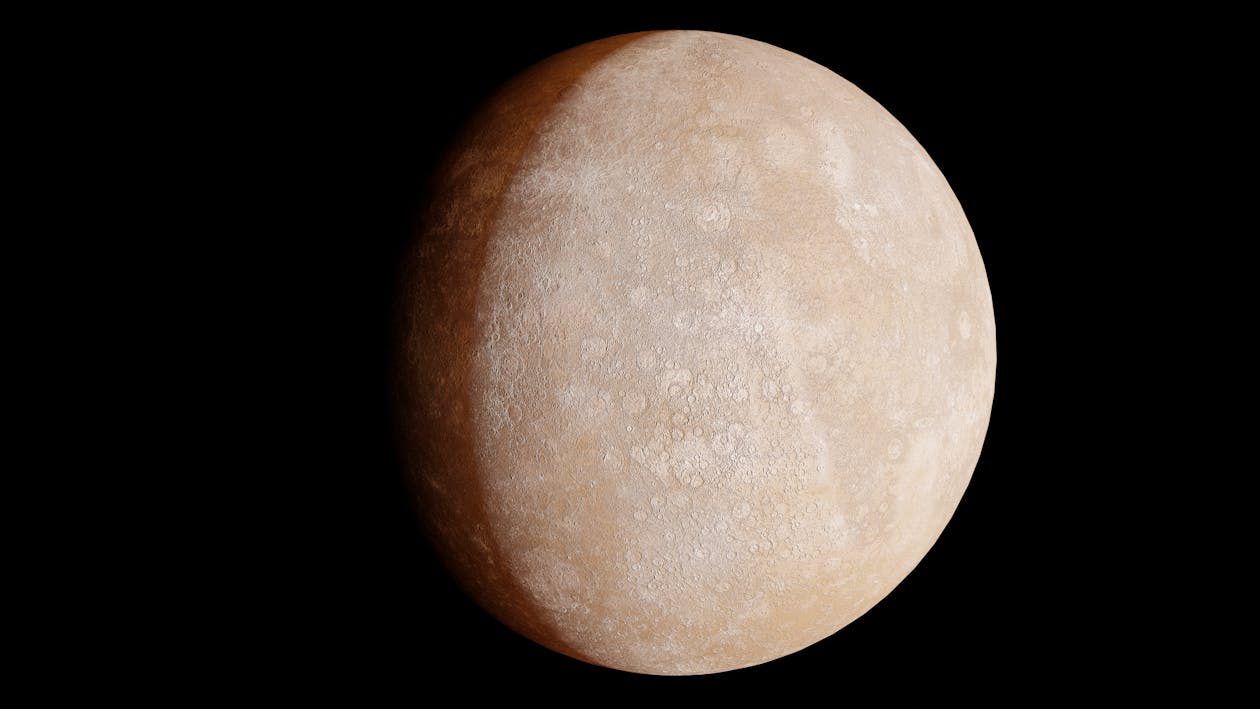
Size: It is the smallest planet in our Solar System, slightly larger than Earth's Moon.
Surface and Composition: Mercury’s surface is rocky and heavily cratered, similar to our Moon. It is composed mostly of a dense iron core, which makes up about 85% of the planet’s radius, giving it a high density.
Temperature: Daytime temperatures can reach up to 430°C, while nighttime temperatures can plummet to -180°C (-290°F) due to the lack of an atmosphere to retain heat.
Atmosphere: Mercury has a very thin atmosphere (exosphere) consisting of oxygen, sodium, hydrogen, helium, and potassium. This exosphere is not dense enough to support weather or protect the surface from solar radiation.
Exploration: The planet has been visited by spacecraft such as Mariner 10 and MESSENGER, which provided significant insights into its geology and magnetic field.
Interesting Facts: Mercury has the most eccentric (elliptical) orbit of all the planets in our Solar System. Due to its slow rotation and fast orbit, the Sun appears to rise briefly, set, and rise again from certain points on Mercury’s surface.
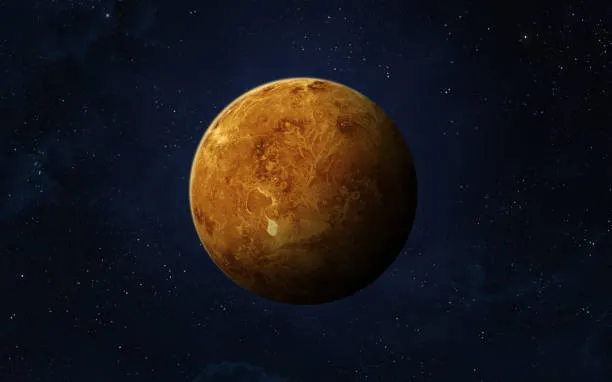
Position: Venus is the second planet from the Sun and is Earth’s closest planetary neighbor.
Size: Venus is similar in size and structure to Earth, earning it the nickname "Earth’s twin."
Surface and Composition: It has a rocky surface covered with vast plains, highland regions, and numerous volcanoes. The surface is hidden beneath thick clouds of sulfuric acid, making it difficult to observe directly.
Temperature: It is the hottest planet in our Solar System, with average surface temperatures reaching around 465°C due to its dense atmosphere and runaway greenhouse effect.
Atmosphere: It has an extremely thick atmosphere, composed mainly of carbon dioxide, with clouds of sulfuric acid. This creates a crushing pressure at the surface, over 90 times that of Earth’s.
Exploration: It has been explored by multiple spacecraft, including NASA’s *Magellan* probe, which mapped the planet’s surface using radar. The Soviet Union's *Venera* series also provided valuable data and images of Venus’s surface.
Interesting Facts: It has no moons or rings, and its thick atmosphere makes it the brightest planet in our night sky, often called the "Evening Star" or "Morning Star." The surface conditions are so extreme that most spacecraft have survived only a few hours after landing.While the surface of Venus is too hostile for life as we know it, some scientists theorize that microbial life could potentially exist in the more temperate cloud layers high in its atmosphere. However, this idea is still speculative, and more research and missions to Venus would be needed to confirm any such possibility.
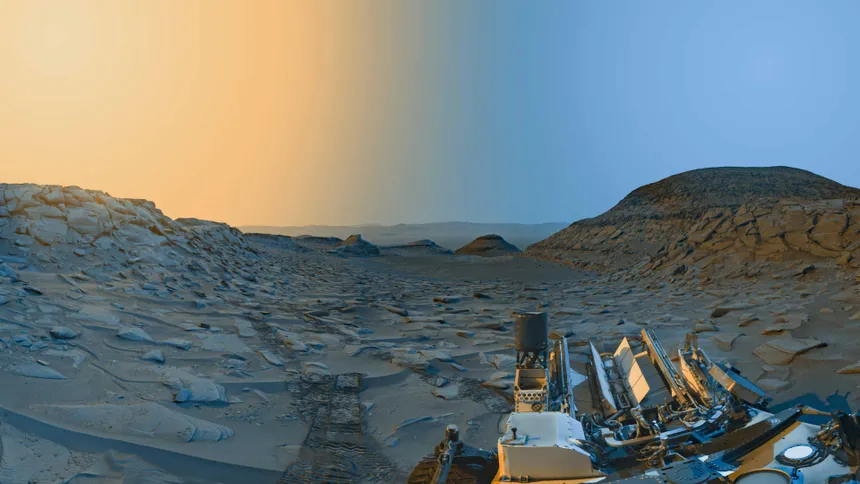
Mars is the fourth planet from the Sun in our solar system, often called the "Red Planet" due to its reddish appearance. It is a terrestrial planet with a thin atmosphere, composed primarily of carbon dioxide. Mars has been a focus of space exploration due to its potential for past life and the possibility of human colonization in the future.
Numerous missions have been sent to Mars, including rovers like Curiosity, Perseverance, and the upcoming Mars Sample Return mission. These missions help us learn about the planet's geology, climate, and potential for sustaining life.
In the future, human missions to Mars are planned by NASA, SpaceX, and other organizations. These missions aim to explore the potential for life, resources, and establishing a human colony.

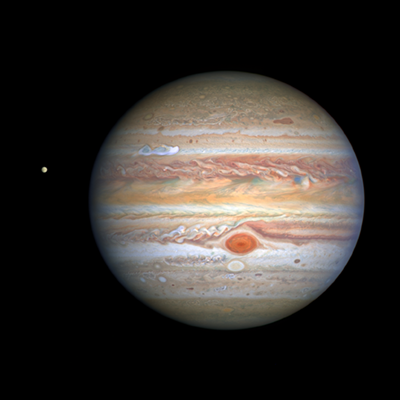
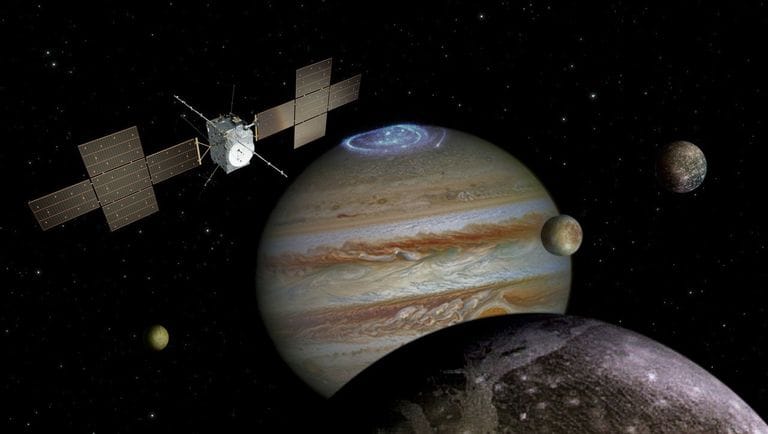
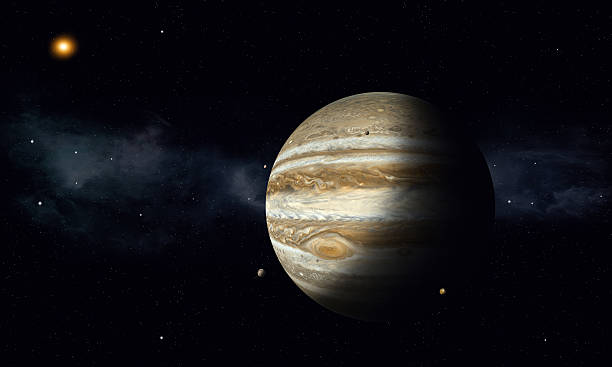
Jupiter has been explored by several spacecraft, starting with Pioneer 10 in 1973. Notable missions include Voyager 1 and 2, Galileo, and the ongoing Juno mission. Future missions like JUICE and Europa Clipper are set to reveal more about its moons and potential for life.